Column · @angelojzwl355
A Homeowner’s Checklist for Hiring Termite Control Services
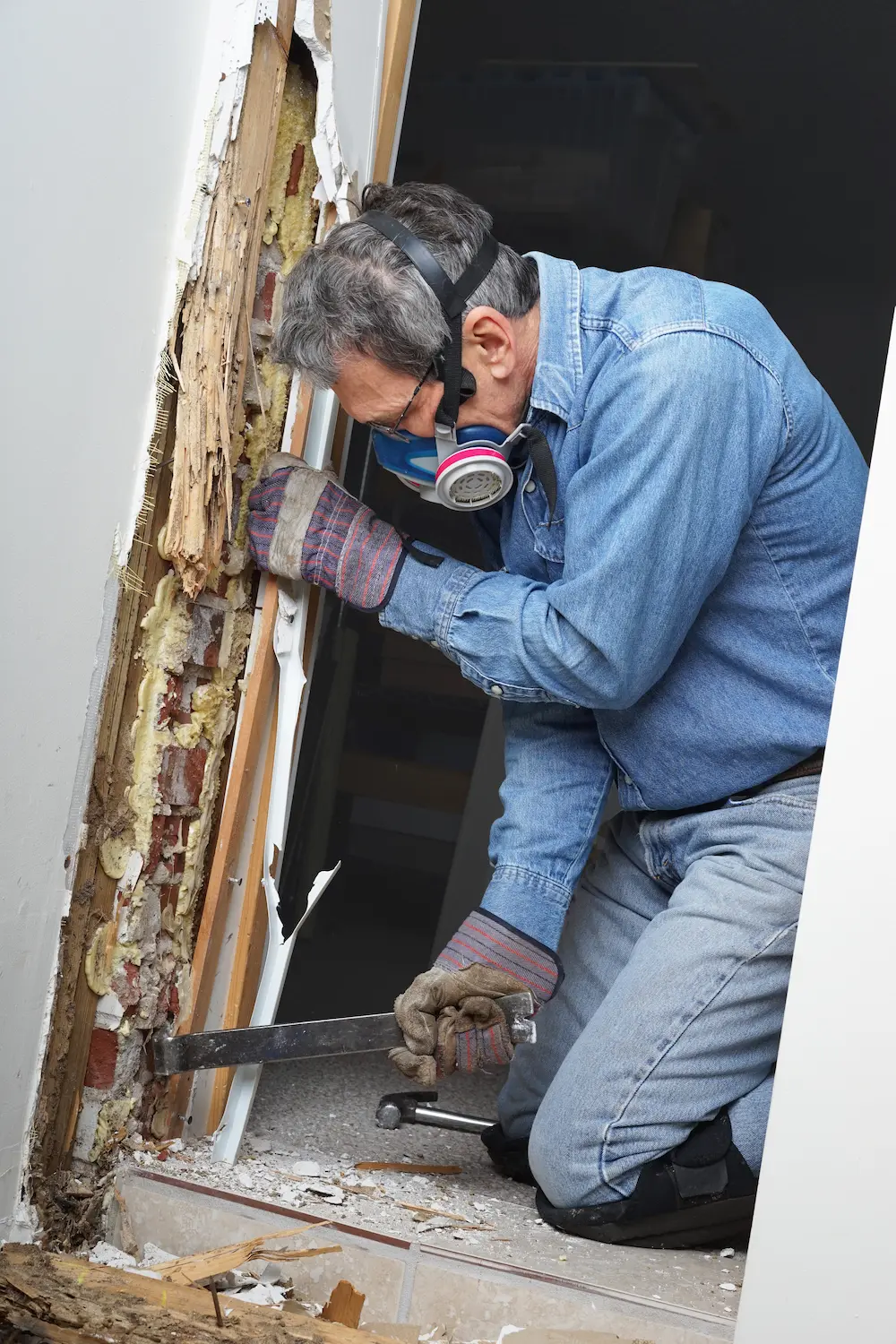
Termites have a way of making homeowners feel two things at once: urgency and uncertainty. Urgency, because the thought of wood being eaten from the inside out is enough to unsettle anyone. Uncertainty, because most people do not hire Termite Control Services often enough to know what good work looks like, what fair pricing sounds like, or which promises are worth taking seriously.
That gap matters. A poor termite job can cost you twice, once for the treatment and again for the repairs that follow when the problem was never truly solved. A solid company, on the other hand, does more than spray and leave. It inspects carefully, explains what it finds in plain language, recommends treatment that fits the structure, and sets realistic expectations for follow-up and prevention.
Homeowners tend to reach out for help under pressure. They have spotted mud tubes on the foundation, hollow-sounding trim near a window, swarms of winged insects after rain, or bubbling paint that does not make sense. In that moment, it is easy to grab the first company with a truck and a website. That is often where mistakes begin.
Hiring well starts with slowing down just enough to ask the right questions.
Start with the type of termite problem you may be facing
Before you compare companies, it helps to understand what they are treating. In many parts of the country, subterranean termites are the main concern. These termites live in the soil and travel through shelter tubes to reach wood. They are the reason contractors inspect slab edges, crawl spaces, expansion joints, plumbing penetrations, and any place where wood and moisture meet.
Drywood termites are a different matter. They do not need soil contact in the same way, and they can infest framing, trim, or furniture directly. Treatment approaches differ. A company that is excellent with trench-and-treat soil applications may not be the right specialist for localized drywood work or whole-structure fumigation.
This distinction sounds technical, but it directly affects who you hire. If a company cannot clearly explain what species or termite type it suspects, or why the treatment fits that biology, that is a warning sign. Good termite work is not just about applying chemicals. It is about matching the method to how the pest lives.
Why licensing and credentials matter more than polished marketing
A slick website and quick scheduling are convenient, but termites are not a convenience purchase. You are paying for judgment, compliance, and long-term accountability.
Licensing requirements vary by state, but any company offering termite treatment should be properly licensed to perform pest control work in your area. If the company uses termiticides, bait systems, fumigation, or wood treatment products, the technicians should be trained and authorized to use them. Some states require category-specific certifications. Ask directly which licenses they hold and whether the person performing the inspection is the same person qualified to recommend treatment.
Insurance matters too. If trenching damages irrigation lines, if drilling cracks tile, or if a technician is injured on your property, you do not want vague answers about coverage. Reputable firms can provide proof of liability insurance and workers’ compensation coverage without acting offended that you asked.
There is also a practical side to credentials that homeowners sometimes miss. Companies with a stable local presence are easier to reach when warranty questions come up a year later. I have seen homeowners save a few hundred dollars upfront by hiring a bargain operator, only to discover that the phone number on the contract no longer works by the time retreatment is needed. With termite service, longevity has value.
The inspection tells you almost everything about the company
If you want to know whether a termite company is careful, watch the inspection. The inspection is the clearest preview of the treatment quality you are likely to receive.
A serious inspector does not stand in the driveway, glance at a damaged fascia board, and hand you a price. They look at the perimeter, interior risk areas, attic access where appropriate, crawl space conditions if there is one, visible plumbing entry points, landscape grading, moisture sources, and wood-to-soil contact. They ask about past treatment, remodels, leaks, additions, and previous swarms. They note conditions that encourage infestation, not just visible damage.
The best inspectors also explain what they can and cannot confirm. For example, if a finished basement wall blocks access to sill plates, they should say so. If they suspect activity but need a more invasive inspection to verify hidden areas, they should say that too. Confidence is useful. Overconfidence is expensive.
One of the most telling moments comes when you ask for evidence. A good Termite Control Services inspector can usually show you mud tubes, damaged wood, discarded wings, frass if drywood termites are involved, moisture issues, or vulnerable construction details. If the diagnosis relies entirely on fear-based language and no visible explanation, pause before signing anything.
A short checklist before you say yes
Use this to keep the decision grounded when estimates start coming in:
- Confirm the company’s license, insurance, and local service address.
- Ask what termite type they suspect and why the proposed treatment fits it.
- Request a written inspection report that identifies active signs, risk conditions, and treatment areas.
- Read the warranty terms carefully, especially retreatment limits, annual inspection requirements, and transferability.
- Compare at least two proposals, not just on price, but on scope, method, and follow-up.
That five-minute check can save months of frustration later.
Treatment methods should be explained, not just sold
Homeowners often hear a treatment name and assume all companies are offering the same thing. They are not. Even when two proposals sound similar, the scope can differ in ways that matter.
For subterranean termites, one company may propose a full liquid barrier treatment around the structure, involving trenching and drilling at key points. Another may recommend a baiting system with stations placed around the home and monitored over time. In some cases, a hybrid approach makes sense, especially where certain areas are inaccessible or where environmental sensitivity is a concern.
Neither approach is automatically best in every situation. Liquid treatments can provide broad, immediate protection when applied correctly, but they rely heavily on thoroughness and proper application. Miss key areas, and the barrier may be incomplete. Bait systems can work well and offer ongoing monitoring, but they demand maintenance, periodic inspection, and homeowner patience. They are not a set-it-and-forget-it fix.
For drywood termites, treatment might involve localized injections, foam applications, heat, or fumigation, depending on the size and spread of the infestation. A company should explain why it recommends one option over another. If they suggest spot treatment for a widespread drywood problem in multiple disconnected areas, ask how they ruled out hidden colonies elsewhere.
A useful estimate describes more than the product name. It should tell you where treatment will occur, whether drilling is required, what prep is needed, how long the process takes, and what kind of disruption to expect. If the proposal is vague, the service can become vague too.
Price matters, but scope matters more
Termite treatment prices can vary widely based on home size, foundation type, region, infestation severity, accessibility, and treatment method. That is normal. What is not normal is assuming the lowest quote represents equal protection.
A lower bid may exclude whole sections of the structure, omit difficult areas, skip follow-up visits, or offer only a minimal retreatment promise. Sometimes the company has simply underpriced the job to win the contract and hopes you never call back. Other times, the estimator is not accounting for the actual labor involved.
I once reviewed three proposals for homes of roughly similar size in the same neighborhood. The cheapest estimate was less than half the highest. On paper, all three were labeled termite treatment. In practice, they were not comparable. Termite Control Services One included only exterior spot treatment where tubes were visible. Another included full perimeter trenching and drilling at slabs, plus a one-year renewable warranty. The third included bait stations with quarterly monitoring. Those are different levels of service, different operating costs, and different commitments after the initial visit.
When comparing quotes, ask each company to walk you through what is specifically included. Where will they trench? How many drill points are expected? Are detached structures covered? Will they return for reinspections? Does the quoted price include patching drilled holes, and if so, to what cosmetic standard? Precision in these details usually reflects precision in the work.
Warranties deserve slow reading
Homeowners often focus on the front-end treatment and skim the warranty. That is a mistake. The warranty is where companies reveal how much confidence they have in their own work and how much of the future risk they are willing to share with you.
A termite warranty may cover retreatment only, or it may include a repair bond for qualifying new damage, though repair coverage is often more limited and comes with conditions. Some warranties require annual renewal fees. Some remain valid only if the company performs the yearly inspection on schedule. Some are transferable to a new owner, which can add value if you sell the home. Others are not.
Do not assume “guaranteed” means what you think it means. Read the exclusions. Landscaping changes, additions, moisture problems, inaccessible areas, or failure to correct wood-to-soil contact may affect coverage. If the company points out conditions that need correction and you ignore them, the warranty may become weaker in practice.
Ask a simple question and listen closely: “If termites show up again in eighteen months, what exactly happens next?” A good company can answer without fumbling. They will explain whether they reinspect, retreat at no charge, monitor further, or evaluate whether a new issue falls outside the original scope.
Moisture, construction details, and prevention are part of the conversation
Termite control is not just chemistry. Homes become vulnerable through a combination of conditions. Poor drainage, leaking hose bibs, mulch piled against siding, earth-filled porches, wood lattice touching soil, unventilated crawl spaces, and untreated additions can all make an otherwise good treatment less effective.
That is why the best termite professionals talk about the building itself. They may recommend lowering soil or mulch away from weep holes, correcting grade that slopes toward the foundation, replacing damaged trim, repairing leaks, improving crawl space ventilation, or removing scrap lumber stored against the home. These suggestions are not sales padding. They are part of reducing the chance of reinfestation.
If an inspector treats your house as if chemicals alone solve everything, be cautious. Termites exploit access and moisture. Any company that ignores those conditions is only addressing part of the problem.
Red flags worth taking seriously
Most bad experiences with termite contractors can be traced back to a few common patterns:
- The estimate is given before a thorough inspection takes place.
- The representative uses pressure tactics such as “sign today or lose the price.”
- The proposal is vague about treatment areas, materials, or warranty terms.
- The company dismisses your questions instead of answering them clearly.
- The price is dramatically lower than others, with no credible explanation of why.
None of these automatically prove dishonesty, but they should slow you down.
Ask how the work will affect your home during and after treatment
Many homeowners are so focused on getting termites handled that they forget to ask what the job physically involves. That matters, especially in finished homes.
For a soil treatment, the crew may trench along the foundation, drill through slabs, garage floors, patios, or expansion joints, and apply termiticide at measured intervals. If your home has radiant flooring, decorative masonry, fragile tile, or extensive hardscaping, that should be discussed in advance. A careful company will inspect these details and explain what can be done, what risks exist, and what patching will look like afterward.
For bait systems, ask where stations will be placed, how visible they are, how often they will be checked, and what happens if landscaping changes later. For localized drywood treatment, ask whether wall voids, trim, or finished surfaces will need access points. For fumigation, ask about prep, food handling rules, plant considerations, timing, and reentry protocols.
This is not nitpicking. If the service affects flooring, patios, irrigation, pets, access to rooms, or your work-from-home schedule, you want those surprises gone before the truck arrives.
Reviews help, but only if you read them like a homeowner
Online reviews can be useful, but star ratings alone do not tell the whole story. Read for pattern and detail. You want to know whether the company shows up when promised, honors warranties, communicates well, and handles follow-up issues responsibly. A review describing how the company dealt with a reappearance six months later is often more valuable than ten comments that say “great service.”
Look for mentions of inspections, not just treatments. Was the representative patient? Did they explain findings? Did they push a contract before answering questions? Also note whether the company responds professionally to complaints. Any long-running service business will have some unhappy customers. The question is how those situations were handled.
Referrals from neighbors can be even more useful than online reviews, especially in areas where multiple homes share similar construction and termite pressure. If a nearby home with the same slab design and age had a good experience over several years, that is relevant. Termite performance is local.
Real estate reports and termite treatments are not the same thing
Homeowners sometimes confuse a wood-destroying organism report for a home sale with a full termite protection plan. They overlap, but they are not interchangeable.
A transaction inspection is often designed to document visible evidence and conditions at a point in time. It may not involve the same preventive scope as a treatment contract. If you recently bought a home and were handed a termite clearance report, do not assume you are protected indefinitely. Ask whether any treatment was actually performed, when it was done, what warranty transferred if any, and what renewals were required.
This comes up often with older homes that have had prior treatment history. A previous barrier may have expired years ago. Bait stations may no longer be serviced. Paperwork from closing can create a false sense of security unless you confirm the current status.
If damage is already visible, separate treatment from repair
Another point that confuses many homeowners is the relationship between termite control and carpentry repair. They are connected, but not identical.
The termite company’s first job is to stop active infestation and reduce the chance of continued attack. Repairs come after that, sometimes from the same firm if they offer both services, often from a separate contractor. Be careful if someone wants to replace damaged wood before confirming that active termites have been addressed. Cosmetic repair without control work can hide the problem for a while and leave the colony undisturbed.
At the same time, badly damaged structural members may need prompt evaluation by a qualified contractor or engineer. Termite professionals can identify pest evidence, but they are not always the final word on structural capacity. If floor joists, sill plates, or roof framing show severe deterioration, bring in the right expertise.
The order matters: identify the activity, treat it appropriately, then repair with a clear understanding of what must be replaced and what can remain.
Good communication is a sign of good field work
One lesson that comes up again and again in home services is that companies rarely become organized at the truck if they were disorganized at the estimate. If scheduling is chaotic, paperwork is sloppy, and answers change from one phone call to the next, the field execution often reflects that same looseness.
With termite work, communication should be specific. You should know who is coming, when they are arriving, how long the appointment is expected to take, what areas must be accessible, whether pets need to be secured, and what post-treatment instructions apply. After the service, you should receive documentation that matches what was promised. If annual inspections are part of the agreement, you should understand how those renewals are handled.
This may sound ordinary, but it is often the difference between a company that treats termite service like a professional system and one that treats it like a one-time sale.
The best hire is usually the company that is precise, not dramatic
Termites make people nervous, and some salespeople know exactly how to exploit that. They use alarming language, extreme predictions, and forced urgency to close the deal quickly. Experienced homeowners learn to look for something calmer: specificity.
A strong termite company is precise about evidence, scope, methods, limitations, pricing, and follow-up. It does not need theatrics. It can tell you where termites are active, where they might enter, what treatment addresses that risk, what prep is needed, what the warranty actually covers, and what preventive steps still belong to you as the homeowner.
That kind of clarity is worth paying for.
When you hire Termite Control Services, you are not simply buying a treatment. You are choosing a company to interpret hidden conditions inside one of your largest investments. The right choice is rarely the fastest talker or the lowest price. It is the firm that inspects thoroughly, explains honestly, documents clearly, and stands behind the work after the truck pulls away.
That is the checklist that matters most.
Maximum Pest Control
836 NE 7th Terrace Suite #5
Cape Coral, FL 33909
+1 239-772-7363
FAQ About Termite Control Services
What are two signs of a termite infestation?
Mud tubes along a foundation and piles of shed wings near doors or windows are two signs to investigate. Mud tubes are associated with subterranean termites. A licensed inspector can identify the insect and assess whether there is active infestation.
How many years does a termite treatment last?
There is no single timeline for all treatments. The method, site conditions, and maintenance affect how long protection lasts. Bait systems rely on monitoring and service. Ask the provider for the recommended inspection schedule and the terms of any coverage.
Is Termite Treatment Expensive in Cape Coral?
Cost depends on the termite species, the size and construction of the property, the extent of activity, and the treatment method. Request a written estimate after inspection and ask whether monitoring, follow-up visits, and renewals are included.