Column · @angelojzwl355
Affordable Termite Control Services for Residential Properties

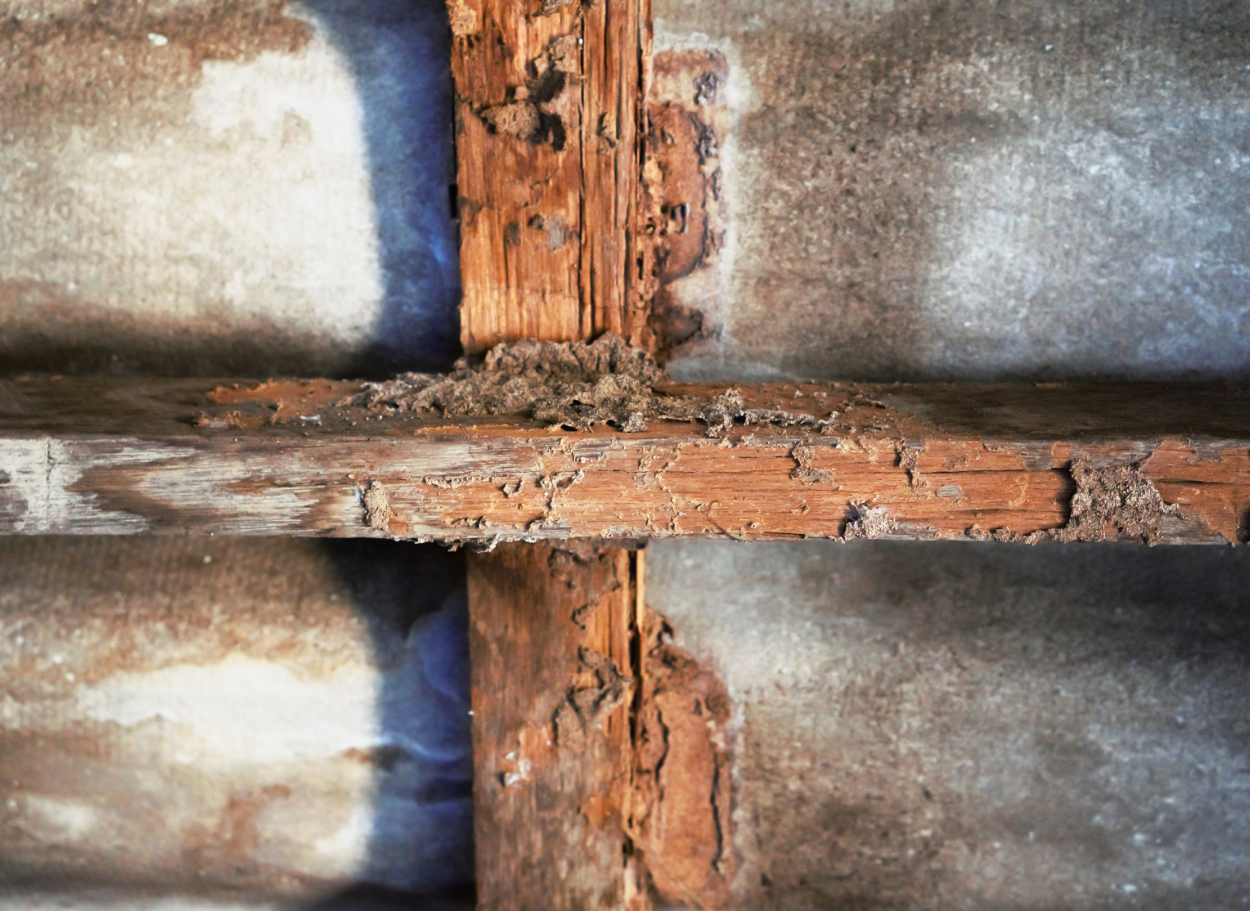
Termites have a talent for staying invisible right up until the repair bill becomes very visible. By the time a homeowner notices blistered paint, a hollow-sounding baseboard, or a stuck door frame, the colony has often been active for months, sometimes longer. That is why the conversation around termite control tends to swing between two extremes: panic-driven spending and risky delay. Neither serves the homeowner well.
Affordable termite protection is possible, but it depends on understanding what you are paying for, what kind of infestation you are dealing with, and which services actually reduce risk over the long term. In residential work, the cheapest option on day one is often the most expensive option by the end of the year. At the same time, expensive does not automatically mean thorough. Good termite control services are not about selling the biggest package. They are about matching the treatment to the structure, the termite species, and the level of activity.
Homeowners usually call after seeing something alarming, mud tubes in the crawl space, a winged swarm near a window, or wood that gives way under a screwdriver. In many cases, what they need first is not a treatment but a careful inspection. A solid inspection should identify the species involved, the probable points of entry, moisture conditions, and the parts of the home most at risk. That information is what keeps termite work affordable, because it prevents over-treatment and helps prioritize repairs that make reinfestation less likely.
Why termite costs vary so much from house to house
Two homes on the same street can receive wildly different quotes, and sometimes the difference is justified. Termite pricing is shaped by several practical factors: foundation type, accessibility, square footage, construction details, severity of infestation, and whether the service is preventive or corrective.
A slab home can require drilling through patios, garages, or finished surfaces to create a continuous treatment zone. A crawl-space home may allow easier access to critical areas, but it may also reveal years of moisture problems, wood-to-soil contact, or plumbing leaks that make treatment more complex. A newer house with clean access and no visible damage is usually less expensive to protect than an older home with additions, enclosed porches, and landscaping that blocks the perimeter.
The termite species matters too. Subterranean termites, which are among the most common structural pests in many regions, travel from the soil into the house and often require soil treatments, bait systems, or a maximumpests.com Termite Control Services combination of both. Drywood termites behave differently. They infest the wood itself and may be addressed with localized wood treatments, void applications, or, in more severe cases, structural fumigation. If a company gives one flat price without discussing species or construction type, that is a warning sign.
There is also a difference between paying for elimination and paying for monitoring. Some services are designed to knock down active infestations. Others are aimed at catching future activity early. Affordable termite control services often combine those goals sensibly rather than treating them as separate sales opportunities.
The hidden cost of waiting
Homeowners sometimes postpone action because they assume termites move slowly enough that a few months will not matter. Structurally, that is a gamble. Termites do not usually bring a house down overnight, but they are persistent. They exploit wet wood, cracks in slabs, expansion joints, and places where siding sits too close to grade. Once established, they keep feeding.
What makes delay expensive is not only the feeding itself. It is the way termite issues overlap with other house problems. Moisture attracts them. Poor drainage helps them. Mulch piled too high against siding conceals their activity. A leaking hose bib or an air conditioning condensate line can keep a corner of the foundation damp enough to support repeated reinvasion. By the time visible damage appears inside a room, the conditions outside that room often need attention as well.
A homeowner might spend a few hundred dollars on cosmetic patching, only to pay again for treatment, then again for carpentry, and again for repainting once the underlying issue is finally addressed. That sequence is common. Proper diagnosis at the beginning is usually the cheaper path.
What affordable termite control services should actually include
A low price means very little if the service skips the essentials. In residential work, value comes from completeness, not from a flashy discount. At a minimum, homeowners should expect a real inspection, a clear explanation of findings, and a treatment plan tied to those findings.
A competent provider should inspect accessible interior areas, exterior foundation lines, crawl spaces when present, attic or roof framing if activity suggests broader movement, and attached structures like garages or decks where termites often gain a foothold. The written report should distinguish between active infestation, old damage, and conducive conditions. Those are not the same thing, and confusing them can lead either to overspending or underreacting.
Treatment details matter. If the company is proposing a liquid barrier, ask whether they plan trenching, rodding, drilling, or a combination. If they are proposing bait stations, ask how many stations, how they will be spaced, and how often they will be inspected. If they recommend wood treatment, ask which structural areas will be treated and whether damaged wood also needs replacement. Good termite control services explain the why behind the method.
Many of the most affordable programs include a renewable annual warranty or service agreement. That can be a smart investment if the terms are clear. Some plans cover re-treatment only. Others may include limited damage repair, but those terms vary sharply, and homeowners should read them closely. A low annual fee is only useful if the company actually returns for inspections and honors the agreement when activity is found.
Spotting the difference between urgent and non-urgent findings
Not every sign of termite activity means the house is in immediate structural danger. Homeowners often hear the word "termite" and imagine catastrophic framing failure. In practice, the level of urgency depends on where activity is located, how extensive it appears, and whether critical structural members are involved.
These signs deserve prompt evaluation:
- Mud tubes climbing foundation walls, piers, or plumbing penetrations
- Swarmers or discarded wings found indoors, especially near windows or doors
- Wood that sounds hollow, blisters, or breaks apart along the grain
- Moist crawl spaces, leaking pipes, or siding that touches soil
- Previous termite damage with no documented treatment history
A swarm on a porch light does not always mean the colony is deep inside the walls, but it does justify inspection. Mud tubes under a bathroom wall usually mean more than a cosmetic problem. The distinction matters because it shapes budget decisions. Some cases need immediate full-perimeter treatment. Others can be handled with targeted work and correction of moisture or contact issues.
Treatment options that make financial sense
There is no single best termite treatment for every residential property. The most cost-effective method depends on the house and the infestation pattern. In my experience, homeowners save the most money when they understand the strengths and limits of each approach rather than chasing whichever option sounds least invasive or least expensive.
Liquid soil treatments
Liquid termiticides are a common choice for subterranean termites because they create a treated zone around the structure. When applied properly, they can provide strong protection and relatively fast control. On straightforward homes with good access, they are often cost-effective. The challenge comes with hardscaping, finished basements, room additions, and areas where drilling is needed to maintain continuity. Those labor factors can push the price up.
Still, for many residential properties, a well-executed liquid treatment offers good value because it addresses the most likely route of termite entry, the soil around and under the structure. The affordability improves when the company does not oversell unnecessary add-ons and when the homeowner fixes the moisture and grading issues that made the site attractive in the first place.
Bait systems
Bait stations are installed in the soil around the home and monitored over time. They can be an attractive option for owners who want lower initial disruption, especially where drilling through finished surfaces would be difficult or undesirable. They also work well as part of an ongoing monitoring strategy.
The trade-off is speed and follow-through. Bait systems depend on termites finding the stations, feeding, and carrying the active ingredient back to the colony. That can be highly effective, but it requires a service provider who actually monitors the system on schedule. For some homes, especially those with recurring pressure from neighboring properties or wooded surroundings, bait systems can be a practical and affordable long-term choice. For an active heavy infestation, they may be paired with localized or supplemental treatment.
Localized wood treatments
Localized treatment can make sense when termite activity is limited to a defined area, such as a window sill, door frame, or small section of trim. Foam or borate applications may be used in wall voids or directly on exposed wood. This approach is usually less expensive upfront than full-structure work, but it is only affordable if the infestation is truly isolated.
The mistake some homeowners make is assuming that because the visible damage is small, the colony is small. That is not always true. Localized treatment without understanding the bigger picture can become a repeat expense. Used appropriately, though, it is a valuable tool and often part of a balanced plan.
Fumigation for drywood termites
Fumigation is not cheap, and no honest professional would call it a bargain service. But there are situations where it is the most financially sensible answer. If drywood termites are widespread in inaccessible framing, isolated spot treatments can turn into a series of callbacks, patches, and growing damage. A whole-structure approach may cost more at the start but less than repeated partial measures.
For homeowners trying to control costs, the key is to make sure fumigation is recommended for the right reason, not because it is the easiest sale.
Prevention is where affordability becomes real
Treatment eliminates or suppresses termites. Prevention reduces the chance that you will have to pay for treatment again soon. The homes that stay cheapest to protect are usually the ones where basic structural and moisture conditions are managed consistently.
A house does not need to be perfect. It does need to stop offering termites easy access and favorable moisture. That means keeping soil and mulch below siding, ensuring downspouts move water away from the foundation, repairing plumbing leaks, ventilating crawl spaces properly where applicable, and avoiding direct wood-to-ground contact in fences, trellises, steps, or deck supports connected to the home.
I have seen properties where owners spent serious money on repeated chemical treatment while leaving a slow leak under the kitchen sink to soak the subfloor month after month. I have seen decorative flower beds piled high enough to hide termite tubes along the entire front elevation. In both cases, the service bill was not the core problem. The house conditions were.
This is where reputable termite control services often stand apart from low-cost operators. The better companies talk about the building as much as the product. They know chemistry matters, but drainage and access matter too.
How to compare quotes without getting trapped by price alone
Homeowners shopping for termite work often receive estimates that are difficult to compare. One may be half the price of another while describing the scope in vague terms. Another may sound comprehensive but hide annual fees or exclusions in the warranty language. A fair comparison requires looking past the total.
A useful estimate should identify the termite type, the treatment areas, the method, and what happens after the initial service. It should also say whether inaccessible areas were excluded from inspection and whether repairs are separate from treatment. If one company includes follow-up visits and another does not, those are not equal bids even if the treatment line item looks similar.
These questions help separate thorough service from low-cost guesswork:
- What termite species are you treating for at this property?
- Is the price for one-time treatment, ongoing monitoring, or both?
- Which areas of the home will be drilled, trenched, or otherwise accessed?
- Does the warranty cover re-treatment only, or any repair costs as well?
- What site conditions should I correct to reduce the chance of reinfestation?
The answers usually reveal whether the company understands residential termite work or is simply moving homeowners toward the easiest package. If the representative cannot explain why one method fits your structure better than another, keep looking.
Repair work and termite work are related, but not identical
One source of confusion for homeowners is the overlap between pest control and construction repair. Killing termites and restoring damaged wood are different scopes of work. Some companies do both. Many do not. That does not make them unqualified, but it does mean the homeowner needs a clear plan.
A reliable termite inspection should note visible damage and identify whether further probing or carpentry assessment is advisable. Floor joists, sill plates, subfloor edges, window framing, and porch attachments are common problem areas. Sometimes the wood is scarred but still serviceable. Sometimes it has lost enough strength to require sistering or replacement. That judgment belongs to someone qualified to assess the structural implications.
Affordability improves when repair is sequenced intelligently. There is no point replacing damaged trim before active termites are addressed. There is also no point paying for broad reconstruction when only a few members need attention. Good coordination between the termite company and the repair contractor prevents both mistakes.
Regional realities that affect price
Termite pressure is not the same everywhere. Warm, humid regions with long termite seasons generally see more persistent activity and more preventive service contracts. Homes near wooded lots, creeks, irrigation-heavy landscapes, or older neighborhoods with chronic moisture issues may face higher risk than homes on well-drained sites with simple foundations.
That does not mean residents in lower-pressure areas should ignore prevention. It does mean pricing and treatment frequency should reflect local risk. A homeowner in a high-pressure Gulf Coast market may sensibly maintain an annual termite agreement for years. A homeowner in a drier climate with low historical activity may need a more targeted strategy. Affordable service is not about finding one universal price point. It is about fitting the plan to the actual exposure.
When a bargain is not a bargain
Some low-priced termite offers exist mainly to get a technician through the door. The homeowner receives a quick exterior glance, a generic recommendation, and pressure to sign before "the price goes up." That is not professional pest management. It is sales theater.
A suspiciously low price often means one of three things. The inspection is superficial. The treatment scope is incomplete. Or the service depends on renewal fees that were not explained clearly upfront. Any of those can leave the homeowner paying more later.
Another problem is the partial perimeter treatment sold as a full solution. If a company treats only the visibly active side of the home while subterranean termites have multiple entry opportunities, the infestation may simply shift. Likewise, bait systems that are installed but not monitored, or warranties that sound generous but exclude the most likely scenarios, do not create value.
Affordable termite control services should reduce uncertainty, not add to it.
Choosing a provider you can trust
Homeowners are usually not trying to become termite experts. They want a provider who is competent, candid, and reasonably priced. That is a fair expectation. The easiest way to gauge that is to pay attention to how the company communicates before any work begins.
A trustworthy professional explains findings in plain language. They show you evidence when possible, point out conducive conditions, and distinguish between what is necessary now and what can wait. They do not rely on fear. They also do not minimize risk to avoid hard conversations about access, drilling, or follow-up.
Experience matters here, especially with residential construction styles common to your area. An inspector who understands slab cold joints, crawl-space moisture patterns, brick veneer gaps, and where additions often fail to integrate with old treatment zones is more likely to design a service that holds up. That kind of practical knowledge often saves more money than a discount ever will.
The best homeowner decisions usually land in the middle ground: not the cheapest quote, not the most expensive package, but the clearest plan with the strongest reasoning behind it.
Keeping future costs under control
Once treatment is complete, the goal shifts from response to management. This is where homeowners have more control than they sometimes realize. A house that stays dry, accessible, and well-monitored is cheaper to protect year after year. The owner does not need a perfect maintenance record, but they do need consistency.
Walk the perimeter seasonally. Look at where soil, mulch, and siding meet. Check crawl spaces after heavy rain if they are accessible. Watch for plumbing leaks, especially around kitchens, bathrooms, and water heaters. Keep records of treatment dates and warranty renewals. If you renovate, tell the termite provider, because additions, patios, and new landscaping can alter treatment continuity or cover up access points.
That is the practical side of affordability. It is not just about what the invoice says today. It is about reducing the odds of emergency service, structural repair, and repeated intervention later. For residential properties, the most cost-effective termite plan is usually the one that combines precise treatment, honest inspection, and routine prevention without unnecessary extras.
When homeowners approach termite control with that mindset, they tend to spend less over time and get better protection for the money they do spend. That is what truly affordable termite care looks like.
Maximum Pest Control
836 NE 7th Terrace Suite #5
Cape Coral, FL 33909
+1 239-772-7363
FAQ About Termite Control Services
What are two signs of a termite infestation?
Mud tubes along a foundation and piles of shed wings near doors or windows are two signs to investigate. Mud tubes are associated with subterranean termites. A licensed inspector can identify the insect and assess whether there is active infestation.
How many years does a termite treatment last?
There is no single timeline for all treatments. The method, site conditions, and maintenance affect how long protection lasts. Bait systems rely on monitoring and service. Ask the provider for the recommended inspection schedule and the terms of any coverage.
Is Termite Treatment Expensive in Cape Coral?
Cost depends on the termite species, the size and construction of the property, the extent of activity, and the treatment method. Request a written estimate after inspection and ask whether monitoring, follow-up visits, and renewals are included.