Column · @angelojzwl355
The Essential Role of Follow-Up Visits in Termite Control Services
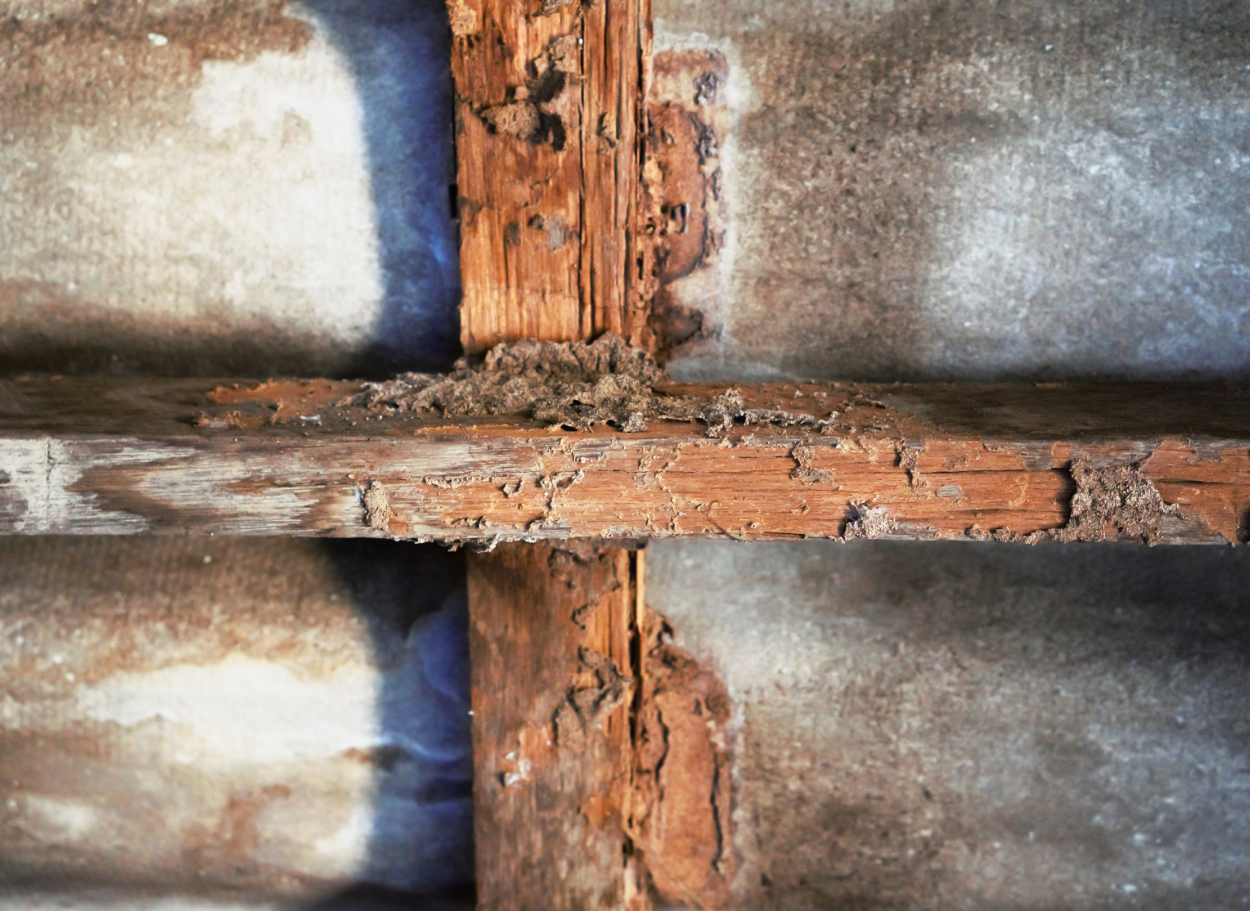

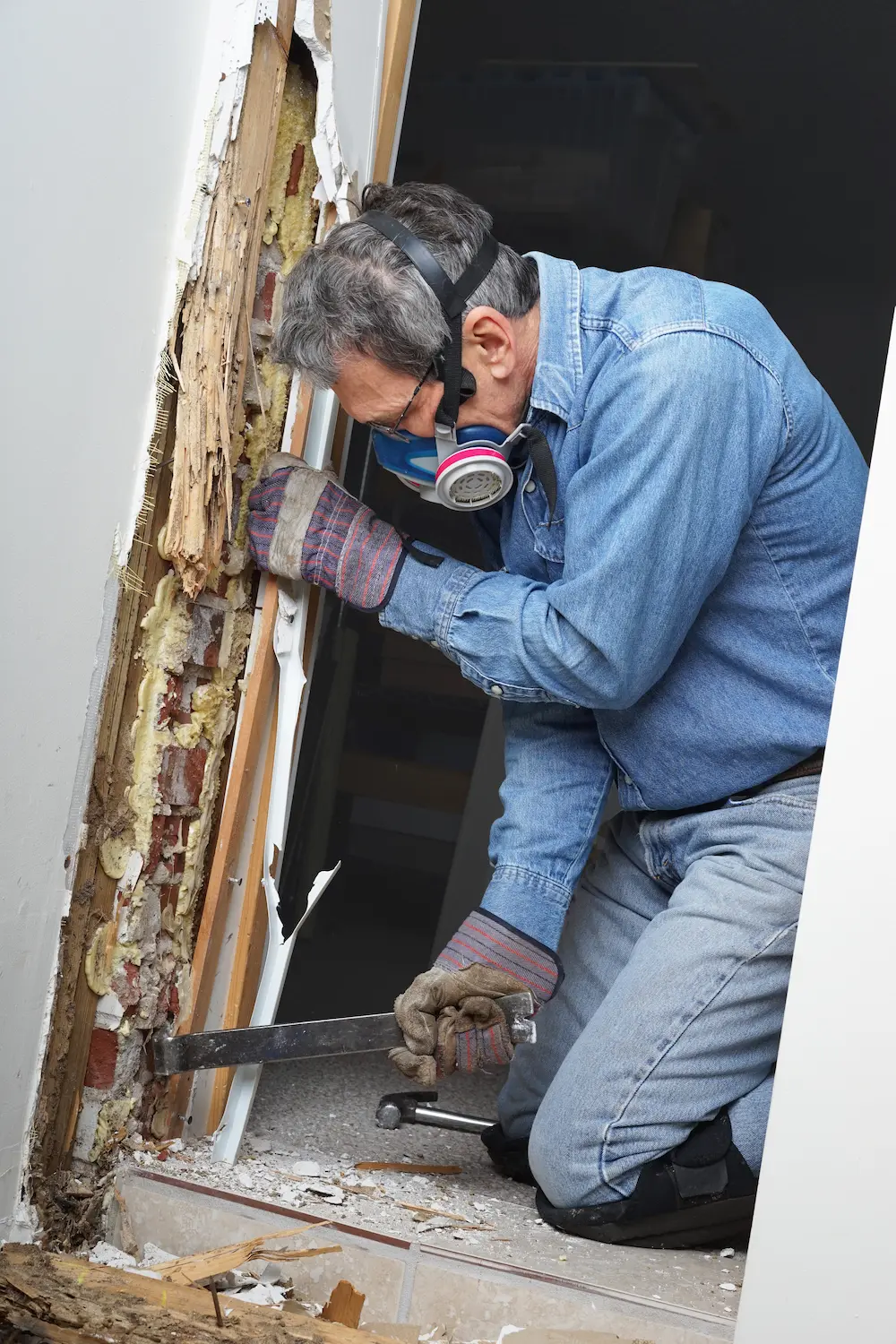
Termite work is rarely finished the day the first treatment is applied. That is one of the most important truths in pest management, and it is also one of the most misunderstood by property owners. People often assume the service call is the solution, the chemical is the fix, and the termite problem is over as soon as the technician leaves the driveway. In practice, effective termite control is a process, not a single event.
That process depends heavily on follow-up visits.
A well-executed initial treatment matters, of course. It sets the strategy, establishes a protective barrier or baiting system, and addresses the most active points of infestation. But termites are persistent, hidden, and biologically suited to surviving in places people rarely inspect closely. Colonies can extend far beyond the visible damage. Moisture conditions can shift after treatment. Soil disturbance can weaken a barrier. Bait stations can remain untouched for weeks and then suddenly become active. Without follow-up visits, a termite control plan can lose accuracy, momentum, and sometimes its Termite Control Services effectiveness.
In the field, the difference between a one-time treatment mindset and a long-term management mindset shows up clearly. The houses that stay protected are usually the ones where monitoring continues, small changes are caught early, and technicians have the chance to adjust the plan before a minor issue becomes structural damage.
Why termite control needs a second look, and often a third
Termites do not behave like pests that stay out in the open. You are not dealing with an insect that simply walks across a kitchen counter and confirms whether treatment worked. Subterranean termites, the most Termite Control Services common structural termites in many regions, move through soil, wall voids, expansion joints, crawlspaces, slab cracks, and hidden wood-to-ground contacts. Drywood termites create a different set of challenges, often remaining tucked inside framing, trim, or attic timbers where activity can continue quietly.
Because of that, the first service is based on the best evidence available at the time, not on perfect visibility. A technician may identify mud tubes along a foundation wall, damaged baseboards in one room, and elevated moisture under a bathroom. Those findings guide treatment. What they do not always reveal is the full scope of colony movement or every vulnerable access point.
Follow-up visits exist to answer the questions the initial treatment cannot fully resolve in one day. Did the termites contact the treated zone? Has activity slowed, shifted, or disappeared? Are bait stations being fed on? Has the home owner corrected the drainage issue discussed during the first inspection? Did landscaping, irrigation, or recent construction interfere with the treatment area? These are not minor details. They are the practical realities that determine whether termite control holds up over time.
What a follow-up visit actually accomplishes
A strong follow-up is not a courtesy stop. It is an active part of the treatment itself. Good termite professionals use these visits to verify, measure, and refine.
The first thing a follow-up visit does is confirm whether the original signs of activity have changed. Fresh mud tubes, new swarm evidence, softening wood, live workers inside monitored areas, or fresh frass in drywood termite cases all tell a story. Sometimes the story is encouraging. Tubes are dry and inactive, damaged wood shows no new activity, and bait consumption indicates the colony is feeding where it should. Other times the story is more complicated. The original area may look better, but a nearby wall or exterior penetration point shows new movement.
This is where experience matters. A technician who has been back to hundreds of properties over the years knows that termites often respond in patterns, not straight lines. If a treatment is working, activity usually declines in a way that matches the treatment method and the species involved. If the pattern is off, perhaps the colony found an untreated bridge, perhaps moisture conditions are attracting movement elsewhere, or perhaps there is more than one colony involved.
Follow-up visits also give the technician a chance to inspect environmental changes. A surprising number of termite problems are tied not only to the insects themselves but also to the conditions that support them. Downspouts dumping water near the foundation, mulch piled high against siding, leaking hose bibs, dense plant growth trapping moisture, and foam insulation extending below grade can all undermine even a sound treatment plan. A property can look very different thirty or sixty days after the first service, especially after rain, renovation work, or seasonal changes.
The hidden cost of skipping follow-up appointments
When home owners decline or delay follow-up visits, the usual reason is not neglect. It is optimism. They want to believe the problem is solved and the risk is gone. Unfortunately, termites reward optimism with silence. They continue feeding out of sight.
The financial impact can be significant. Termite damage often progresses slowly enough to avoid notice but steadily enough to become expensive. By the time a door frame warps, flooring softens, or trim separates from a wall, the insects may have been active for months. Repair costs can rise quickly once framing, subflooring, or built-in structural components are involved. Even moderate repair work can exceed the cost of years of routine monitoring.
There is also a legal and transactional cost that gets overlooked. If a property is sold, refinanced, or inspected for renovation, prior termite history often comes back into the conversation. A documented record showing professional treatment followed by consistent inspections carries weight. It demonstrates management, not wishful thinking. Gaps in service history can raise questions, especially if there is visible old damage and no clear evidence of follow-up.
From a technical standpoint, skipping follow-up means losing the chance to catch treatment failures while they are still manageable. No system is immune to variables. Soil can be disturbed by utility work. A drilled treatment area can be patched over but later altered. A bait station can be flooded, buried, or damaged by mowing equipment. Follow-up visits are how those issues are identified before they compromise the larger protection plan.
Different treatment methods, different follow-up needs
Not all termite control programs demand the same type of return visit. That is another reason blanket assumptions cause trouble. The right schedule depends on the treatment method, the termite species, the building design, and the severity of the infestation.
With liquid soil treatments, follow-up tends to focus on confirmation. The technician checks for signs that the termites have encountered the treated zone and that no new access routes have developed. In many homes, this includes reinspecting areas where activity was originally found, reviewing the exterior foundation, and examining moisture-prone zones such as bath traps, utility entries, crawlspaces, and slab joints.
With baiting systems, follow-up is even more central because monitoring is built into the method. Stations must be opened, assessed, cleaned if needed, rebaited when feeding is active, and tracked over time. Bait systems work well when they are maintained. They work poorly when they are installed and forgotten. A station in the ground is not protection by itself. It becomes protection through inspection, interpretation, and timely servicing.
Drywood termite treatments have their own rhythm. Spot treatments may need reevaluation if pellets reappear or if inaccessible galleries remain active. Fumigation, when used, is highly effective for eliminating active drywood infestations within the treated structure, but follow-up still matters because it confirms post-treatment conditions, checks for reinfestation risk, and addresses any separate vulnerabilities that fumigation does not solve, such as unsealed entry points or infested detached wood elements.
What technicians are looking for between the lines
A follow-up inspection is not just a search for live termites. It is often a reading of subtle clues. In many cases, the most useful findings are indirect.
A technician may notice that a crawlspace vent has been blocked by stored materials, raising humidity under the home. They may find a fence post, trellis, or landscape timber now touching the structure, creating a bridge around the treatment zone. They may see that a recent patio addition or concrete repair changed drainage and now channels water toward the slab edge. These are not dramatic discoveries, but they are exactly the kinds of details that keep termite pressure alive.
Sometimes the return visit solves a mystery from the first appointment. A wall that sounded hollow but showed no clear evidence of active termites may now reveal a more defined pattern. A previously inaccessible attic space may be opened after a remodel. A home owner may report where swarmers appeared, narrowing the likely origin. Good follow-up work often turns partial information into a confident diagnosis.
That matters because termite control is as much about precision as it is about coverage. Overtreating the wrong area wastes time and product. Undertreating the right area invites failure. Follow-up is where precision improves.
A realistic timeline for progress
One of the hardest parts of termite work is managing expectations. Property owners often want a simple answer to a complicated biological process. How fast will this work? Are the termites dead yet? Why did I still see wings after treatment?
The honest answer depends on the method and the situation. Some signs fade quickly. Others linger. A few visible swarmers after treatment does not always mean failure. Old tubes may remain on a wall even after activity stops. In baiting programs, colony elimination is not usually immediate. The point is not instant drama. The point is sustained disruption of the colony and long-term protection of the structure.
A useful way to think about follow-up is that it allows progress to be measured in context. A technician can compare what is normal for that treatment with what is happening at that property. That distinction prevents both overreaction and complacency.
For example, I have seen homes where owners panicked after finding a few dead or sluggish termites near a previously active area a week after treatment. In context, that was not a failure. It was consistent with exposure. I have also seen homes where owners were reassured because they had not noticed anything for a month, only for a follow-up inspection to uncover fresh activity in a quieter part of the structure. Visible silence is not reliable proof. Professional verification is.
What a strong follow-up visit should include
A quality return appointment usually covers several practical checkpoints. The exact scope varies, but the essentials tend to be consistent:
- inspection of previously active areas for changes in termite activity
- review of foundations, crawlspaces, attics, or other vulnerable access zones
- evaluation of moisture sources or structural conditions that support termites
- servicing of bait stations or confirmation of barrier integrity, depending on treatment type
- clear notes on findings, next steps, and whether retreatment or repairs are advised
If a follow-up visit feels rushed, vague, or purely administrative, that is worth questioning. Effective Termite Control Services rely on documented observation and informed adjustments, not a quick glance and a generic reassurance.
Home owner responsibilities between visits
Follow-up visits work best when the property owner supports the process. This does not mean becoming a termite expert. It means paying attention to the conditions that affect treatment and letting the technician know when something changes.
The most helpful property owners are usually the ones who communicate early. They mention the plumbing leak under the sink. They report the swarmers they found near a window. They say a contractor dug along one side of the foundation to replace a line. These details can completely change how a follow-up inspection is interpreted.
There are also practical steps owners can take between professional visits:
- keep mulch, soil, and stored wood from building up against the structure
- correct leaks, standing water, and poor drainage as soon as possible
- avoid disturbing bait stations or treated soil near the foundation
- save any wings, pellets, or insect samples found indoors for identification
- inform the termite company about remodeling, additions, or excavation work
Those simple actions often make the difference between a treatment plan that merely exists on paper and one that performs as intended in the real world.
Follow-up visits and the problem of old damage
Another area where follow-up becomes essential is distinguishing active infestation from old, inactive damage. Many homes have some history, especially older structures with crawlspaces, additions, or prior moisture issues. When a technician finds damaged wood, the key question is not only how much damage exists, but whether termites are still involved.
This can be difficult to answer on a single visit. Wood may show galleries from years ago. Tubes may look aged but not entirely abandoned. Paint or patching can hide the timeline. A follow-up visit allows comparison. If there is no new frass, no fresh mudding, no moisture increase, and no live insects despite close reinspection, the evidence may lean toward inactive damage. If subtle changes appear, that shifts the diagnosis.
That distinction matters for budgeting and repair planning. A home owner deciding whether to replace trim, sister joists, or open a wall needs to know if the threat is current or historical. Follow-up visits provide that confidence.
Seasonal shifts change the inspection picture
Termite activity does not stop following a calendar, but seasonal conditions can change how visible it becomes and how properties should be evaluated. In wetter months, subterranean termite pressure often becomes easier to spot because moisture conditions improve for foraging. During swarm season, evidence may appear suddenly around windows, doors, or light sources. In dry periods, exterior signs may seem quieter even while hidden activity continues in protected areas.
That is another reason timing matters. A property inspected once, under one set of weather conditions, offers only a snapshot. Follow-up visits create a sequence of snapshots, which is much more useful. Patterns emerge. Weak spots become clearer. Temporary conditions can be separated from persistent risk.
I have seen homes where no obvious activity was found during a dry spell, but a follow-up after heavy seasonal rain revealed fresh shelter tubes at the slab edge and increased moisture under the home. Without that second look, the infestation might have remained undetected much longer.
Documentation is part of the service, not paperwork for its own sake
A proper follow-up visit should leave a record. That record is not busywork. It is how trends are tracked and decisions are defended.
Technicians should note where activity was found, whether prior signs are active or inactive, what environmental issues remain, what treatment components were serviced, and what recommendations were made. Over time, that documentation creates a timeline of the property. It helps identify recurring trouble spots, confirms whether earlier advice was acted upon, and supports warranty discussions if problems return.
For the property owner, that record is useful beyond pest control. It can help when discussing repairs with contractors, showing maintenance history during a sale, or understanding whether a structural concern is likely new or longstanding. Good Termite Control Services are not only about treatment chemistry or bait technology. They are also about observation, continuity, and accurate records.
Not every callback means failure
One misconception worth correcting is the belief that if a company needs to return, the original treatment did not work. That is not how professional termite programs are designed. A scheduled follow-up, especially in the first weeks or months after treatment, is often a sign of a responsible plan.
The real warning sign is not a return visit. It is the absence of thoughtful follow-up in a situation that clearly needs it.
There are certainly cases where retreatment becomes necessary because a barrier was interrupted, a colony persisted, or the initial extent of activity was broader than first confirmed. But there are also many cases where the follow-up simply verifies success, addresses a small condition issue, or keeps a baiting system on track. Calling that failure would be like calling a medical recheck unnecessary because the first prescription was written. Monitoring is part of care.
Choosing a provider that values follow-up
When evaluating termite companies, property owners often focus on the initial price. That is understandable, but it can be shortsighted. A lower upfront number may reflect a thinner service model, one with limited reinspection, weak documentation, or little flexibility if conditions change.
A better question is how the company handles the months after treatment. Do they explain what signs are expected and what signs are not? Do they set a clear follow-up schedule? Do they discuss environmental corrections alongside insect control? Do they adjust the plan if evidence changes? Do they document findings in a way that makes sense to the home owner?
These are strong indicators of quality because they reflect how the company thinks. Termite work done well is deliberate, patient, and evidence-driven. It does not rely on a sales pitch or a one-size-fits-all promise.
The long view protects the structure
Termite control is rarely about dramatic moments. It is about accumulated decisions. The initial inspection matters. The treatment choice matters. Repair recommendations matter. But follow-up visits are where all of those decisions are tested against reality.
They reveal whether the termites are gone or simply quieter. They show whether moisture control efforts are working. They catch new vulnerabilities before they become major damage. They turn a treatment into a managed protection plan.
For home owners, that should be reassuring rather than burdensome. A follow-up visit is not a sign that the problem is endless. It is a sign that the service is being taken seriously. In termite work, serious is what saves wood, money, and unnecessary disruption later.
The most reliable Termite Control Services understand that protection is not declared, it is verified. Follow-up visits are how that verification happens.
Maximum Pest Control
836 NE 7th Terrace Suite #5
Cape Coral, FL 33909
+1 239-772-7363
FAQ About Termite Control Services
What are two signs of a termite infestation?
Mud tubes along a foundation and piles of shed wings near doors or windows are two signs to investigate. Mud tubes are associated with subterranean termites. A licensed inspector can identify the insect and assess whether there is active infestation.
How many years does a termite treatment last?
There is no single timeline for all treatments. The method, site conditions, and maintenance affect how long protection lasts. Bait systems rely on monitoring and service. Ask the provider for the recommended inspection schedule and the terms of any coverage.
Is Termite Treatment Expensive in Cape Coral?
Cost depends on the termite species, the size and construction of the property, the extent of activity, and the treatment method. Request a written estimate after inspection and ask whether monitoring, follow-up visits, and renewals are included.